Pressure Washing vs Scrubbing, Chemicals and Replacement: What’s Actually Most Efficient?

When a patio turns green or a driveway goes black, the question most London homeowners ask is not really how to clean it but what is the least painful way to deal with it. Should you spend a Saturday on your knees with a brush, reach for a bottle of something that promises to do the work for you, hire or buy a pressure washer, or simply give up and pay to have the whole lot dug up and replaced? Each of these gets sold as the efficient choice by someone, and each of them genuinely is the efficient choice - but only for a particular surface, a particular kind of dirt and a particular budget. The expensive mistakes happen when the method is matched to the mood rather than the job: scrubbing something far too big, blasting something far too delicate, or replacing something that only needed an afternoon's attention. Working out what is actually most efficient means being honest about what efficiency even means here, because it is not a single thing. What Does "Efficient" Actually Mean When Cleaning Outdoors? Efficiency outdoors is a balance of four things: time, cost, effort and how long the result lasts. A method that cleans a surface in an hour is not efficient if the green is back in three months, and a cheap approach is not efficient if it damages the surface and forces an early replacement. The hidden fifth factor is risk - the chance that the method itself harms what you are cleaning - because a clean that wrecks the surface is the least efficient outcome of all, no matter how quick or cheap it looked at the time. The right way to judge any of these methods is therefore not "how fast and cheap is it today" but "what does it cost in money, effort and damage to get a result that actually lasts". Held to that standard, the four approaches sort themselves out quite clearly, and the answer changes with the surface in front of you. It is worth saying plainly that there is no universal winner here, only a best fit for each particular job, which is precisely why the same homeowner can be right to scrub one surface and blast another on the same afternoon. How Efficient Is Manual Scrubbing? Manual scrubbing is the cheapest method in materials and the most controllable, but by far the most expensive in time and effort. With nothing more than a stiff brush, some water and a little detergent, you can clean almost any surface without the slightest risk of damaging it, which is exactly why it remains the right answer for delicate and historic materials that a jet would destroy. The catch is human stamina. Scrubbing a small set of steps or a patch of staining is perfectly sensible; scrubbing an entire driveway by hand is a punishing job that few people finish, and the result is rarely as even as a machine would give. Its real efficiency…
Continue ReadingPressure Washing vs Scrubbing, Chemicals and Replacement: What’s Actually Most Efficient?

Cleaning Blackened London Stock Brick: Soot, Soft Pressure and Conservation Rules

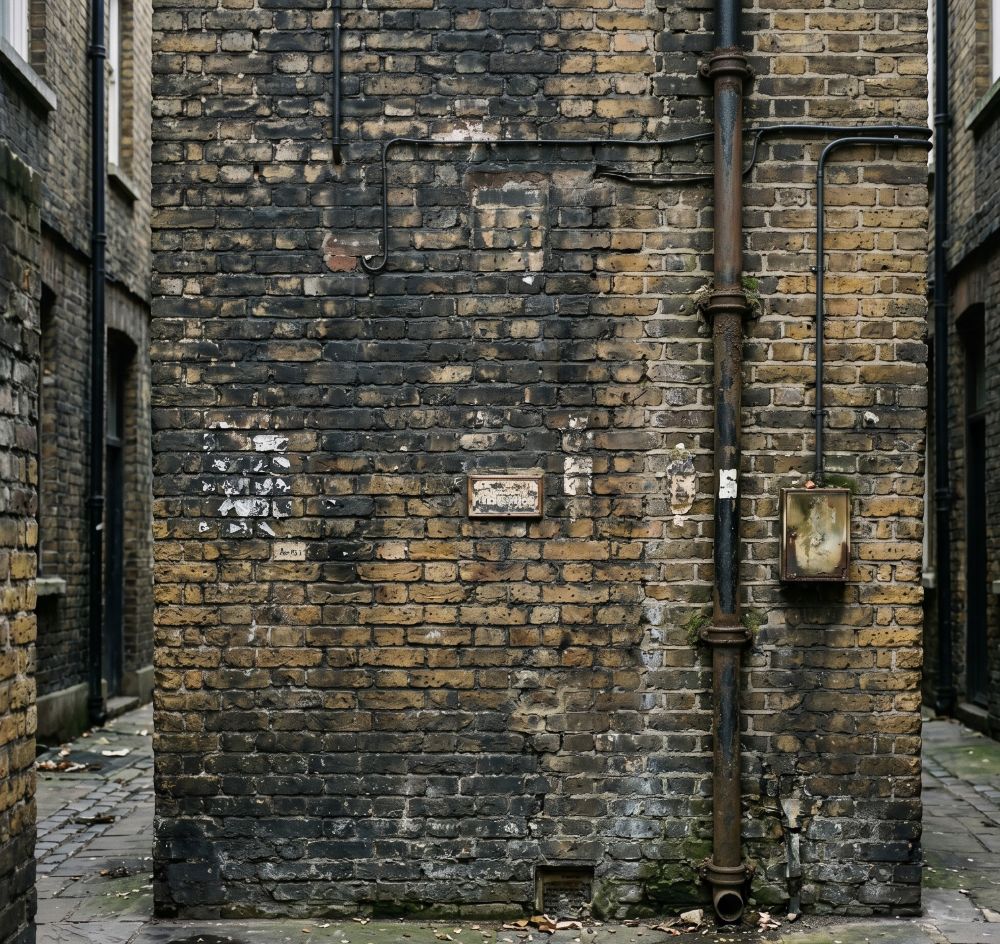
The yellow London stock brick is one of the defining materials of the city. It built the Georgian squares and the endless Victorian terraces, and in its original state it is a warm, soft, buff-yellow stone flecked with darker grain. Walk down most inner-London streets today, though, and you will see it in a very different condition: streaked and crusted in black, the colour of a century and a half of coal smoke and traffic fumes baked onto the face. The temptation, faced with a wall like that, is obvious. Rent the most powerful pressure washer available, or call someone with a sandblaster, and blast the brick back to its original yellow in a weekend. It is one of the most damaging things you can do to a historic London building, and on a listed or conservation-area property it can also be against the law. London stock brick is soft, porous and far more fragile than it looks, and cleaning it safely is as much about restraint and the right paperwork as it is about technique. What Is London Stock Brick, and Why Does It Blacken? London stock brick is the soft, yellowish hand-made brick that built most of Georgian and Victorian London, fired from local brickearth mixed with chalk and ash. It was produced in vast quantities from the eighteenth to the early twentieth century, and its characteristic colour - anywhere from pale yellow to a dirty brown - comes from the local clay and the chalk content. Crucially, it was fired at relatively low temperatures by modern standards, which makes it softer and more porous than the hard engineering bricks people picture today, and that softness is the whole reason it must be treated with care. The Fire Skin That Protects the Brick The single most important thing to understand about stock brick is the fire skin. When the brick was fired, its outer surface vitrified into a slightly harder, denser layer - the fire skin - while the body behind it stayed comparatively soft and open. That thin skin is what protects the brick, sealing the porous core against water and weather. As long as it is intact, the brick can shrug off the London climate for centuries. Once it is broken or stripped away, the soft body beneath is exposed, and it erodes, crumbles and absorbs water at a frightening rate. Almost every serious way of damaging stock brick comes down to the same thing: destroying the fire skin. Where the Black Comes From The blackening on London brick is mostly soot and pollution, bound onto the surface by a chemical reaction. For a hundred years and more the air carried coal smoke, and later diesel and traffic fumes, depositing carbon onto the brickwork. On the calcareous, chalk-rich stocks this is made worse by sulphation, where airborne sulphur reacts with the brick and mortar to form a hard crust of gypsum that traps the soot and cements it in place. This is why the black is…

Continue ReadingCleaning Blackened London Stock Brick: Soot, Soft Pressure and Conservation Rules

Soft Washing vs Pressure Washing: Which One Does Your London Property Actually Need?

Somewhere along the way, cleaning the outside of a house became synonymous with one sound: the high whine of a pressure washer throwing water at three thousand pounds per square inch. It is a brilliant tool, and on the right surface there is nothing better. The trouble is that a great many of the surfaces around a typical London home are exactly the wrong ones, and aiming a powerful jet at them does more harm than the dirt ever would. A render finish, a tiled roof, a soft Victorian brick wall, a painted timber porch - these are not jobs for brute force, and treating them as if they were is how expensive damage gets done in the name of a clean-up. The honest answer to how you should clean your property is that it depends entirely on the surface and on what is actually dirtying it. For roughly half of what a London house is built from, the better tool is not more pressure but less, paired with the right chemistry. That approach has a name, and understanding the difference between it and pressure washing is the key to cleaning anything outdoors without wrecking it. What Is the Difference Between Soft Washing and Pressure Washing? The difference is simple: pressure washing removes dirt by mechanical force, while soft washing removes it by chemistry at very low pressure. One blasts the surface clean; the other treats it clean. They are not competing versions of the same thing - they are two different tools for two different kinds of problem, and the skill lies in knowing which problem you have. How Pressure Washing Cleans Pressure washing cleans by sheer physical force, using a high-velocity jet of water to blast dirt off a surface. Domestic machines typically run somewhere between 1500 and 3000 PSI, and that concentrated energy is what shifts ground-in grime, oil and surface muck from hard materials. It is fast, it uses nothing but water, and on a sound, durable surface the result is immediate and impressive. The catch is that the force which lifts the dirt does not distinguish between dirt and the surface underneath it. On anything soft, porous, coated or fragile, that same energy pits, cracks, strips and erodes, which is why pressure washing is the right answer for some materials and a genuinely destructive one for others. How Soft Washing Cleans Soft washing cleans by applying a specialist cleaning solution at very low pressure and letting the chemistry do the work. The water comes out at little more than garden-hose pressure, often under 100 PSI at the surface, so it cannot damage anything. The cleaning is done not by force but by a biocidal solution, usually based on sodium hypochlorite with added surfactants, which is applied to the surface and left to dwell. It kills the algae, moss, lichen, mould and bacteria living on the material, breaking down the organic staining so it can be gently rinsed away. Because the active ingredient does the cleaning,…

Continue ReadingSoft Washing vs Pressure Washing: Which One Does Your London Property Actually Need?

How to Pressure Wash a Block Paving Driveway Without Washing Out the Sand

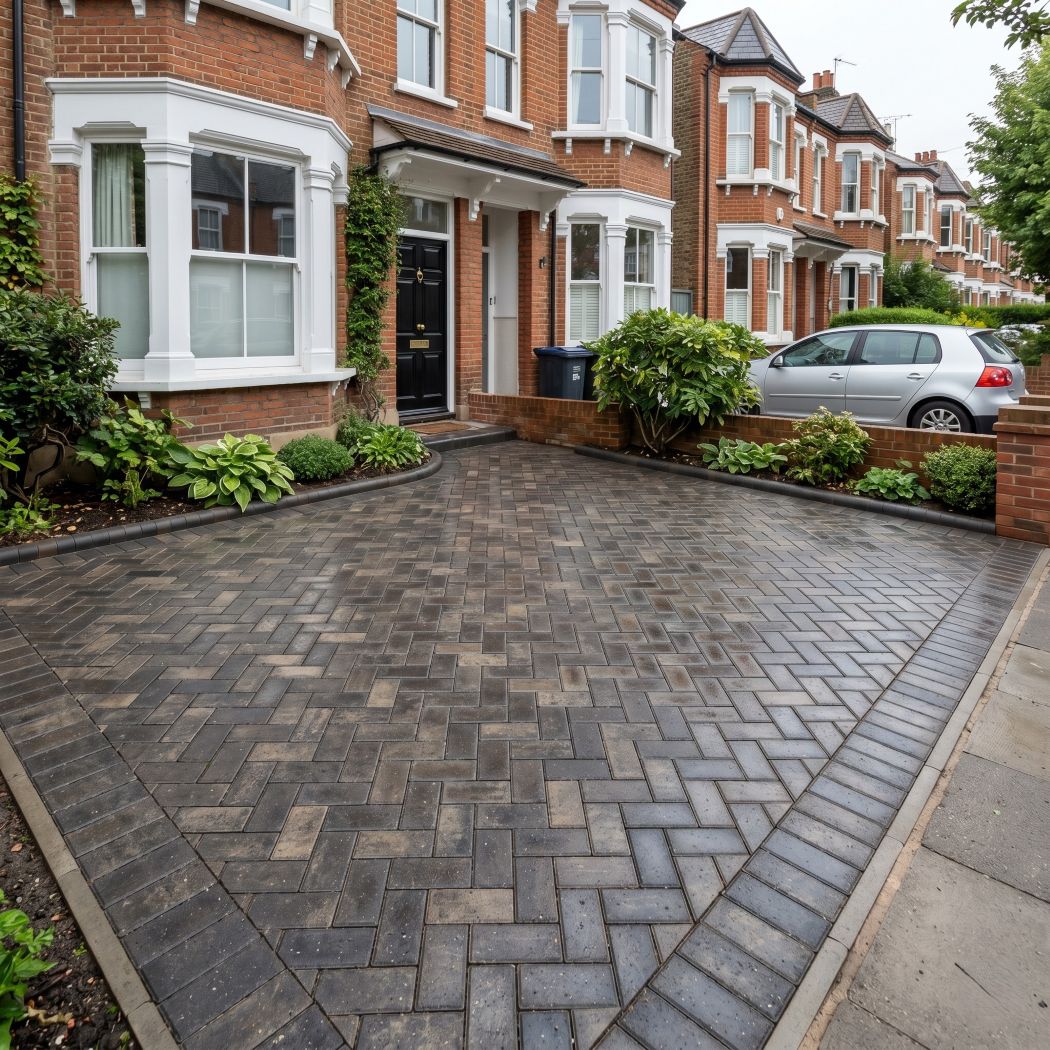
There is no more satisfying job in the garden than pressure washing a block paving driveway. The dirt lifts in a dark wave, the original colour of the blocks comes flooding back, and a tired grey driveway turns crisp and clean in an afternoon. The problem is what you cannot see happening at the same time. With every pass of the lance, fine sand is being driven out of the joints between the blocks and washed away down the drive in that satisfying dark wave. That sand is not dirt. It is the one thing holding the whole driveway together, and once it is gone the blocks begin to loosen, rock, tilt and let weeds back in within a season or two. Most people only realise what they have done weeks later, when the first block wobbles underfoot. The good news is that you can clean block paving properly and keep the sand exactly where it belongs - it just takes a little understanding of how the surface is built and a different approach to the lance. Why Does the Sand Between Block Paving Matter So Much? The sand between the blocks matters because it is structural, not cosmetic. A block paving driveway is not a solid slab; it is hundreds of individual blocks held in position entirely by the material packed into the gaps between them, and remove that material and the system stops working. The Jointing Sand Is What Holds Everything Together Block paving works on a principle called interlock, and the jointing sand is what creates it. Under the blocks sits a compacted stone sub-base, usually MOT Type 1, then a laying course of sharp sand around 30 to 50 millimetres deep that the blocks are bedded into. The blocks themselves are laid tight, with joints of only two to five millimetres, and those joints are filled with fine kiln-dried sand brushed across the surface. That sand wedges between every block and locks them against one another, so that when a car wheel presses on one block the load spreads sideways through the sand into all its neighbours rather than pushing that single block down. The whole driveway behaves as one flexible surface precisely because of the sand in the joints. It is doing a real engineering job, quietly, under every tyre that crosses it. What Happens When the Sand Is Gone Once the jointing sand is washed out, the interlock fails and the damage compounds quickly. With nothing wedging them together, individual blocks start to move under load, rocking and tilting and dropping below the level of their neighbours. The open joints let rainwater run straight down into the laying course beneath, softening it and accelerating the sinking, and in winter that trapped water freezes and shifts the blocks further. Weed seeds and moss colonise the empty gaps almost immediately, because there is now bare damp sand for them to root into. What began as a clean driveway becomes an uneven, weed-streaked one within a couple…

Continue ReadingHow to Pressure Wash a Block Paving Driveway Without Washing Out the Sand

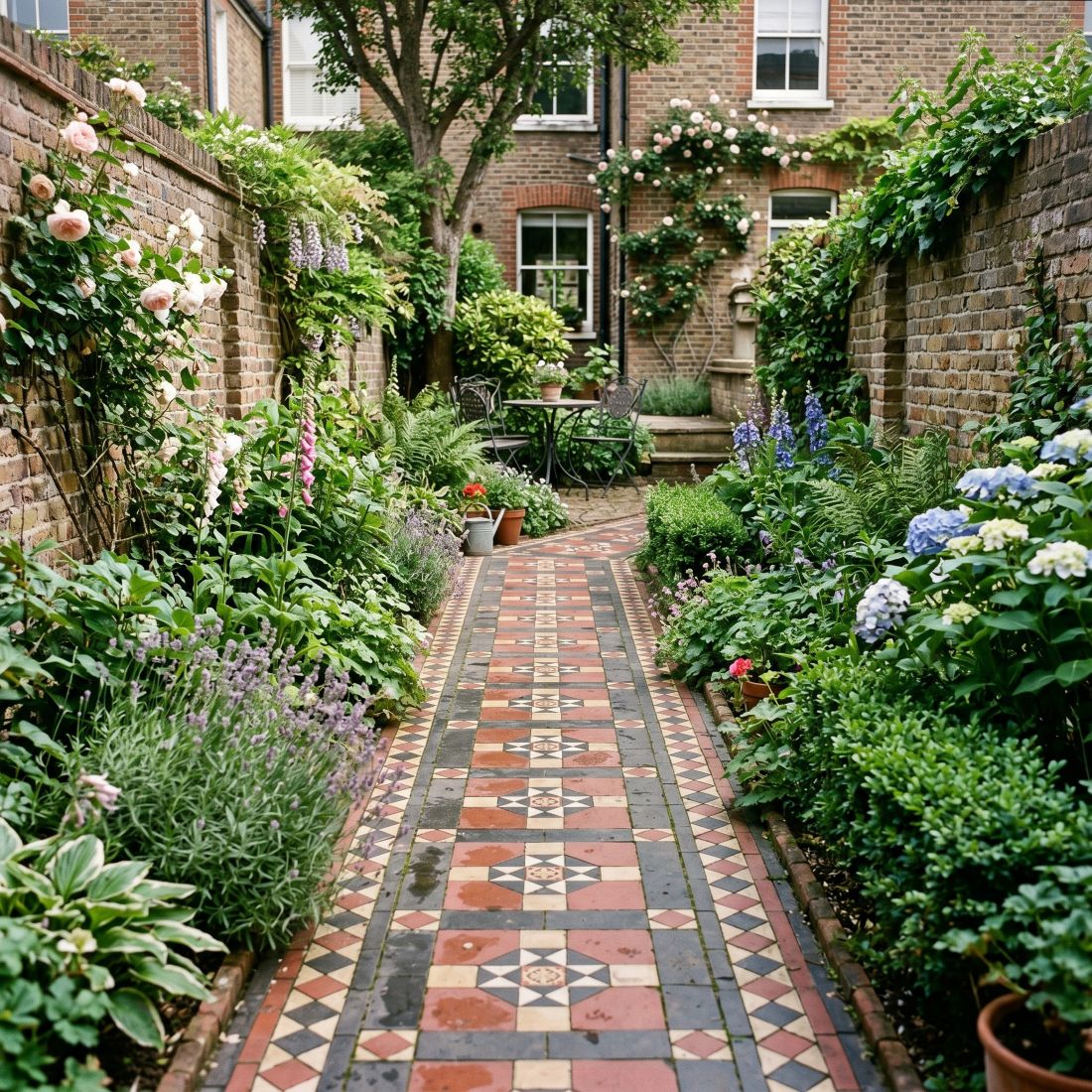
Cleaning Original Victorian Path Tiles: The Pressure-Washing Mistake That Ruins London Terraces

Have you experienced that sinking feeling that comes about ten seconds into the job, when the lance is already running and the first tile has gone pale and powdery where the water hit it? By then it is too late. Across London, original Victorian path tiles - those black, red, buff and cream geometric patterns running from the front gate to the porch - are being quietly destroyed every weekend by well-meaning homeowners with a hired pressure washer and the best of intentions. The paths look filthy, the moss has taken hold, and a 3000 PSI machine seems like the obvious answer. It is, in fact, one of the worst things you can do to them. These tiles have survived a century and a half of London weather and several thousand pairs of muddy boots. What they often do not survive is a single afternoon with the wrong cleaning method, and understanding why means understanding what these paths actually are. What Makes Victorian Path Tiles So Vulnerable? Victorian path tiles are vulnerable because their value lives in a thin surface layer and a soft, lime-based foundation, both of which high pressure attacks directly. The tile body itself is often surprisingly tough, but the path as a whole is a delicate historic system rather than a single hard slab, and that distinction is exactly what catches people out. Geometric and Encaustic - Two Different Beasts Most London front paths use geometric tiles, and a smaller number use encaustic tiles, and the difference matters when you are cleaning them. Geometric tiles are unglazed and fired from natural clays, so the colour runs all the way through the body - the red is iron-rich clay, the black is often a manganese-stained clay, the buff and white come from different seams entirely. They were cut into squares, triangles, hexagons and lozenges and laid in repeating patterns by firms such as Minton, Maw & Co and Craven Dunnill from roughly the 1850s through to the Edwardian era. Encaustic tiles go a step further: the pattern is inlaid using different coloured clays set into the tile face before firing, so a decorative motif is built into the material itself. Both types share one feature that defines how you must treat them. The surface you see has a worn patina built up over decades, and once that is blasted away it does not come back. The Joints Are the Weak Point The real fragility of a Victorian path is not the tiles but everything holding them together. These paths were typically bedded on lime mortar or a lime-and-sand mix, and pointed with the same soft material, long before modern cement was standard. Lime is deliberately softer than the tiles, because it is meant to flex and breathe and take up movement without cracking the ceramic. A high-pressure jet finds those joints instantly. Directed along a line of pointing, even at a modest angle, the water excavates the lime, scours out the bedding beneath and leaves tiles sitting…

Continue ReadingCleaning Original Victorian Path Tiles: The Pressure-Washing Mistake That Ruins London Terraces

Safety Precautions: Can You Use Pressure Washing On Wooden Surfaces?

You can pressure wash wood. That’s the short answer. But the long answer is far more useful — yes, you can, but only if you do it properly. Blast a wooden surface with a 3000 PSI pressure washer and you’ll likely turn your beautiful garden decking into a splintered mess. Pressure washing wood is less about power and more about precision. The type of wood matters, the condition it’s in matters, and most of all, the pressure setting you choose makes all the difference. If you’ve got timber features around your London home — a patio deck in Walthamstow, a shed in Dulwich, or maybe a vintage bench in Islington — you need to be careful. Pressure washers can work wonders, but they’re not magic. Use too much force and you’ll leave behind deep lines, fuzzy fibres, or even cracks that weren't there before. Use too little and, well, you’re basically just giving the mould a light rinse. So, where’s the sweet spot? Somewhere between 500 and 1500 PSI for softwoods, maybe a bit higher for hardwoods — but never leap straight into 3000 territory. And that’s just one piece of the puzzle. Weather conditions, nozzle choice, technique, and the wood type itself all play a role. Let’s break it all down so your next clean-up doesn't become a cover-up job. The Basics: What’s PSI, and Why Should You Care? Understanding Pressure Settings PSI stands for Pounds per Square Inch, and it measures the force of water coming out of your pressure washer. The higher the PSI, the more powerful the blast. Think of it like this: 1500 PSI: Enough to clean softwood, like pine, without shredding it to bits. Ideal for delicate jobs or older timber that's already been weathered. 3000 PSI: A brute. More suited for concrete, brick, or stubborn grime on very durable materials — not your nan’s wooden garden bench. Wood doesn’t love high-pressure anything. It’s porous, soft (depending on the species), and it moves with temperature and moisture. That means blasting it with 3000 PSI is like trying to sand a violin with an angle grinder. The result won’t be pretty. For pressure washing wood, your safest bet is starting low and working your way up. A PSI of 500 to 1200 is usually the sweet zone for cleaning without causing damage. You can always test on a small, hidden spot first — just to be sure. The Role of Nozzles Don’t ignore the nozzle angle. A 25- to 40-degree nozzle is usually your best friend for wooden surfaces. That wider spray pattern spreads out the pressure, reducing the risk of gouging or cutting into the surface. Common Outdoor Wooden Surfaces in London Homes Decks, Fences, Sheds — Each Needs a Slightly Different Approach Walk through any London street, and you’ll spot wooden surfaces in nearly every back garden or courtyard. Some are new and pristine, others are older and wearing a coat of algae. Each one deserves its own game plan. Garden Decking Decks…

Continue ReadingSafety Precautions: Can You Use Pressure Washing On Wooden Surfaces?

The Ultimate Guide to Pressure Washing on Different Surfaces

Pressure washing is a fantastic way to rejuvenate various surfaces around your home. From grimy driveways to sparkling windows, this technique uses high-pressure water to blast away dirt, grime, and algae, leaving surfaces fresh and clean. However, not all surfaces are created equal, and knowing the proper settings and techniques can make all the difference in achieving a spotless finish without causing damage. This guide will cover everything you need to know about pressure washing different surfaces. You'll find tips and settings to get the job done right, whether you're tackling concrete driveways, metal railings, or delicate wooden planks. Let's dive in! Pressure Washing Concrete Surfaces Concrete surfaces, like driveways and patios, are tough and can handle higher-pressure settings. Start by sweeping the area to remove loose debris. A pressure washer set between 3,000 and 4,000 PSI (pounds per square inch) is usually effective for concrete. Use a wide, 25-degree spray nozzle to cover more surface area without causing damage. For stubborn stains or algae, you might need a concrete cleaner or degreaser. Apply this solution before you start washing, and let it sit for a few minutes to break down the grime. When pressure washing, keep the nozzle about 6 to 12 inches from the surface. Move the nozzle sweepingly to ensure even coverage and avoid streaks. Blasting Away Rust And Grime on Metal Surfaces Metal surfaces, like fences or railings, are susceptible to rust and corrosion. Therefore, using the correct pressure and nozzle is essential to avoid causing damage. Typically, a pressure setting between 1,500 and 2,500 PSI works best for metals. Opt for a 15 or 25-degree nozzle to avoid too concentrated a blast, which can strip paint or damage the metal. Before pressure washing: Inspect the metal for any loose paint or rust. If you encounter rust, consider using a rust remover or wire brush to address these areas. When washing, keep the nozzle about 12 to 18 inches from the surface and move it steadily to clean effectively without causing abrasions. Adjust The Settings For Wooden Planks And Carpentry Wooden surfaces, such as decks or fences, require a more gentle touch. High pressure can damage the wood fibres, causing splinters or dents. Use a lower pressure setting of around 1,200 to 1,500 PSI for wood. A 40-degree nozzle is ideal for providing a broad spray while avoiding damage. Start by applying a wood cleaner designed for pressure washing. Allow it to soak in for a few minutes before starting the wash. When pressure washing, maintain a distance of about 12 to 18 inches from the wood. Always wash in the direction of the wood grain to prevent damaging the surface. After washing, let the wood dry completely before applying any sealants or stains. Intermediate Steam Jets On Brick Surfaces Brick surfaces, including walls and pathways, are sturdy but can be porous, which means they can trap dirt and moisture. To balance power and precision, use a pressure washer set between 2,000 and 3,000 PSI for…

Continue ReadingThe Ultimate Guide to Pressure Washing on Different Surfaces

What Is The Best Time Of The Year To Book A Pressure Washing Service For Your Backyard

Pressure washing is the way to go if you aim to give your garden a fresh, clean vibe. But picking the perfect time of year is critical for getting the best results. Let's discuss why regular pressure washing rocks, what to think about when booking a service, and the prime seasons for getting your garden pressure washed. By prepping your garden and keeping the lines of communication open with your service provider, you'll set yourself up for a smooth and satisfying pressure washing experience. Benefits of Regular Pressure Washing When you schedule regular pressure washing, you're in for a treat! You'll benefit from proper maintenance and get top-notch cleaning that won't break the bank. This service guarantees a deep clean for all your outdoor surfaces. Opting for regular pressure washing means you can sit back and relax while experienced technicians take care of the dirty work. They know their stuff and can tackle tough dirt, mould, mildew, and other grime that can ruin outdoor surfaces. Hiring a reputable company ensures the job is done right, with attention to detail that gives you peace of mind knowing your property is getting the pro treatment it deserves. Factors to Consider When Choosing a Time for Pressure Washing When choosing the perfect time for pressure washing, consider the weather, your schedule, and what time works best for booking an appointment. Planning is critical to getting the best results for your outdoor cleaning tasks. Weather and Climate When figuring out the best time for pressure washing, you need to consider the seasonal changes throughout the year. Each season brings its own pros and cons for outdoor cleaning, with summer, spring, autumn, and winter all bringing different weather conditions into the mix. Summer is often seen as the perfect time for pressure washing, with its warm temperatures and longer daylight hours. Surfaces dry quickly in the heat, but be aware that high humidity levels might slow things down. Spring is a popular time for cleaning, thanks to the mild temperatures and moderate humidity that create a pleasant environment. Autumn's cooler temperatures can work, too, although the falling leaves and debris might mean more frequent cleaning sessions. Even in winter, despite the chill, you can still get the pressure washer out if you carefully prevent water from freezing on surfaces. Personal Schedule and Availability Your timetable and availability are vital in figuring out the best time for pressure washing. If you book early and plan ahead, you'll be all set for the cleaning service without any last-minute panic. When you think ahead and secure your spot in advance, you'll avoid the headache of scrambling for a last-minute appointment. When choosing the right time, consider things like the weather forecast and the size of the pressure washing job. Marking down specific dates for tasks like this on your diary keeps you organised and ready for the service provider. Taking control of your timetable shows that you value your time and the provider's availability, making for a smoother experience and ensuring you get the desired results. Best Time of…

Continue ReadingWhat Is The Best Time Of The Year To Book A Pressure Washing Service For Your Backyard

How Efficient Is Pressure Washing For Graffiti Removal?

Pressure washing is a powerful cleaning technique that can tackle even the toughest stains, including graffiti. We will explore the benefits of pressure washing for graffiti removal, different types of techniques, and safety precautions. Find out how pressure washing can quickly and effectively remove graffiti, protect surfaces, and save time and money. What Is Pressure Washing? Pressure washing is a cleaning method that utilises high water pressure to remove dirt, grime, mould, and other contaminants from various surfaces. This powerful cleaning technique is highly effective in restoring the appearance of surfaces such as driveways, decks, fences, sidings, and even outdoor furniture. The equipment used for pressure washing typically includes: A pressure washer machine. Nozzles for different spray patterns. Cleaning solutions to enhance the cleaning process. What makes pressure washing so versatile is its ability to adjust the pressure level and nozzle for different surfaces, ensuring effective cleaning without damage. Whether you need to remove stubborn stains from concrete or give your house exterior a fresh look, pressure washing is a comprehensive solution for various cleaning needs. How Does Pressure Washing Work? Pressure washing uses a high-pressure stream of water to remove dirt, debris, and stains from surfaces forcefully. The effectiveness of pressure washing lies in the sheer force of the water jet, which can dislodge even the most stubborn grime. By adjusting the water pressure levels and using the appropriate cleaning solutions, pressure washing can be tailored to suit different surfaces. Lower pressure settings prevent damage to delicate surfaces, while tougher stains may require higher pressure for thorough cleaning. This method is efficient and environmentally friendly, relying on water and minimal chemicals to achieve impressive results. What Are The Benefits Of Pressure Washing? Pressure washing offers several benefits, including efficient cleaning, maintenance of surfaces, cost-effectiveness, and eco-friendly practices. One key advantage of pressure washing is its ability to efficiently remove stubborn dirt, grime, mould, and mildew from various surfaces. It cleans the surfaces effectively and helps maintain their quality and appearance over time. Property owners find a pressure washing a cost-effective solution as it can prevent the need for more expensive repairs or replacements down the line. This method is environmentally friendly as it uses less water than traditional cleaning methods and minimises harsh chemicals, reducing environmental impact. Removes Stubborn Stains Pressure washing effectively removes stubborn stains such as paint, graffiti, and other contaminants from various surfaces, restoring them to their original clean state. With its high-pressure water spray, pressure washing can penetrate deep into porous surfaces and lift away layers of paint or graffiti that seem impossible to remove by other methods. The forceful stream of water can effectively strip off the toughest stains, revealing the underlying surface in a refreshed condition. Pressure washing is not only limited to exterior surfaces. Still, it can also be used on driveways, decks, fences, and pavements to eliminate dirt, mould, mildew, and other unsightly blemishes without causing damage to the material. Saves Time And Energy Pressure washing saves significant time and energy…

Continue ReadingHow Efficient Is Pressure Washing For Graffiti Removal?

Jet Washing Your DriveThe Right Way

Howdy, I guess you expect me to start my post with "Use only professional pressure washing contractors, as the results are not going to be perfect, risk of injury or damage to property, da-di-da-di-da...". Well, yes and no. Let me explain. Anyone can buy a little cheap jet from Wal-Mart and start cleaning. I get that. But only professional companies and individual contractors can invest thousands of dollars in powerful Honda or Bandit pressure washer systems and blast those stubborn stains with ease. In the case of a private individual trying to DIY their way into great results, I believe there is a substantial possibility of that never happening. You can't compare a small Toyota Yaris to a full blown Chevrolet Camaro ZL1, as this is exactly how the budget pressure washer compares to a monstrously powerful professional machine. And, quite understandably, the results cannot be comparable either. While one can be satisfied with the budget machine's performance it is nowhere near the quality standard one would demand when booking a professional power washing contractor. So, which one would you prefer - DIY yourself into mediocre results or perfect professional service. Watch this video in case you haven't made up your mind. https://www.youtube.com/watch?v=HiCPeaNj8GE

Continue ReadingJet Washing Your DriveThe Right Way